Explored
A multi-layer notes app for students
One of the tech projects I explored after Pingo: an app for organizing notes in multiple layers, for students.
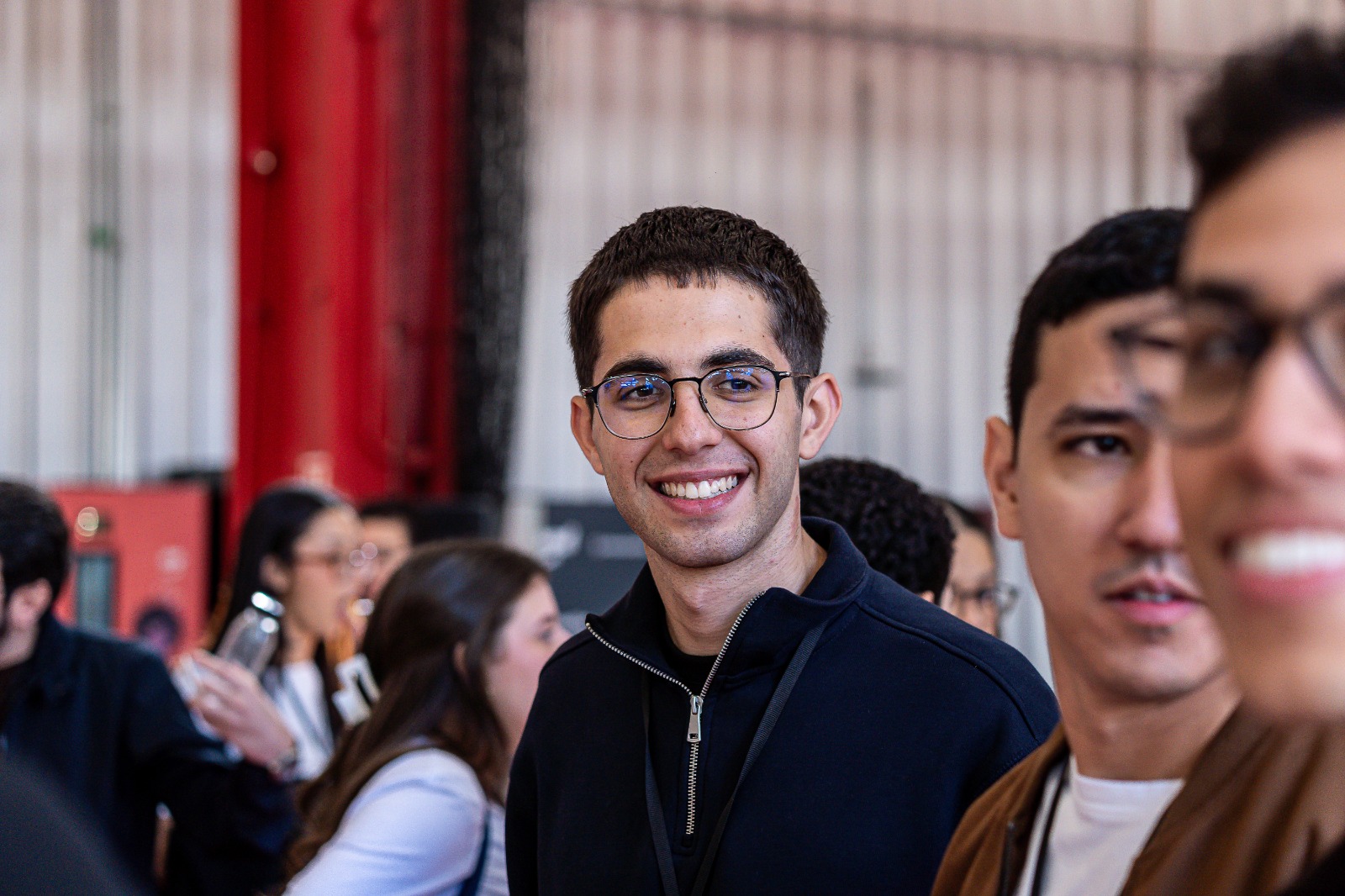
I'm 19 and from São Paulo. I co-founded 202, which accelerates university talent in Brazil, and I'm on the investment team at Kaszek. Before that, I was Brazilian jiu-jitsu champion and placed 1st in the IME exam and 8th in the ITA exam.
Most of my story is things I chose to start, and a few I chose to stop. I stopped competing after becoming Brazilian champion, to build bigger things. I left ITA soon after placing 8th to get in, to learn faster by building.
From the first tournaments at ten to 202 and Kaszek.
From here, the full story, one chapter at a time: what I did, how it went, and what each step taught me. It starts at ten, with online tournaments.
Around age 10
Online championships with 160+ participants per edition, esports teams, streamer communities and paid design work.
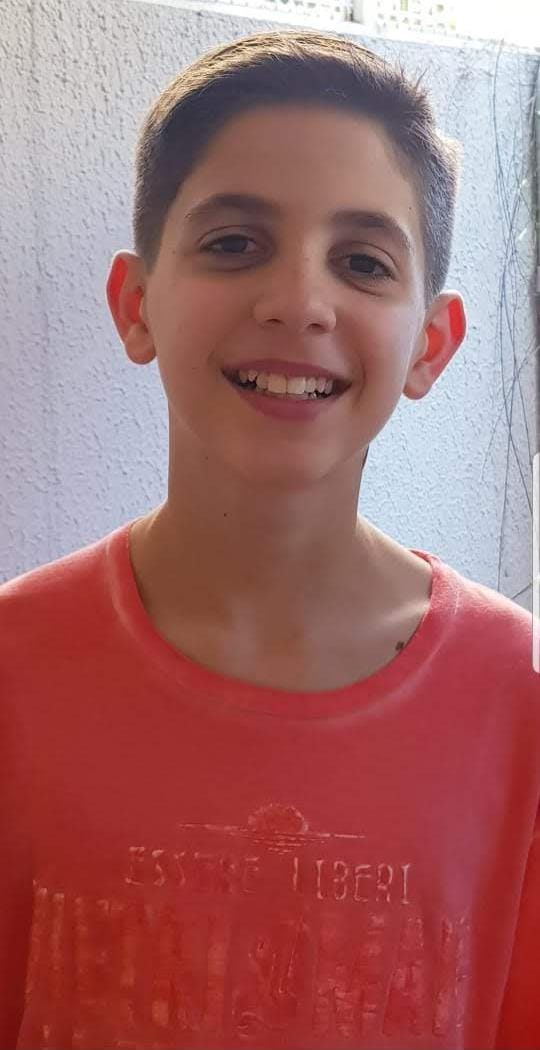
My online championships reached more than 160 participants per edition. After that I created and managed esports teams in Free Fire, Fortnite and Rainbow Six Siege, built communities of small streamers, some with sponsored initiatives, and did paid design and digital work for clients.
Nobody handed me those projects. I went after them and learned whatever each one needed. That habit runs through everything that came after.

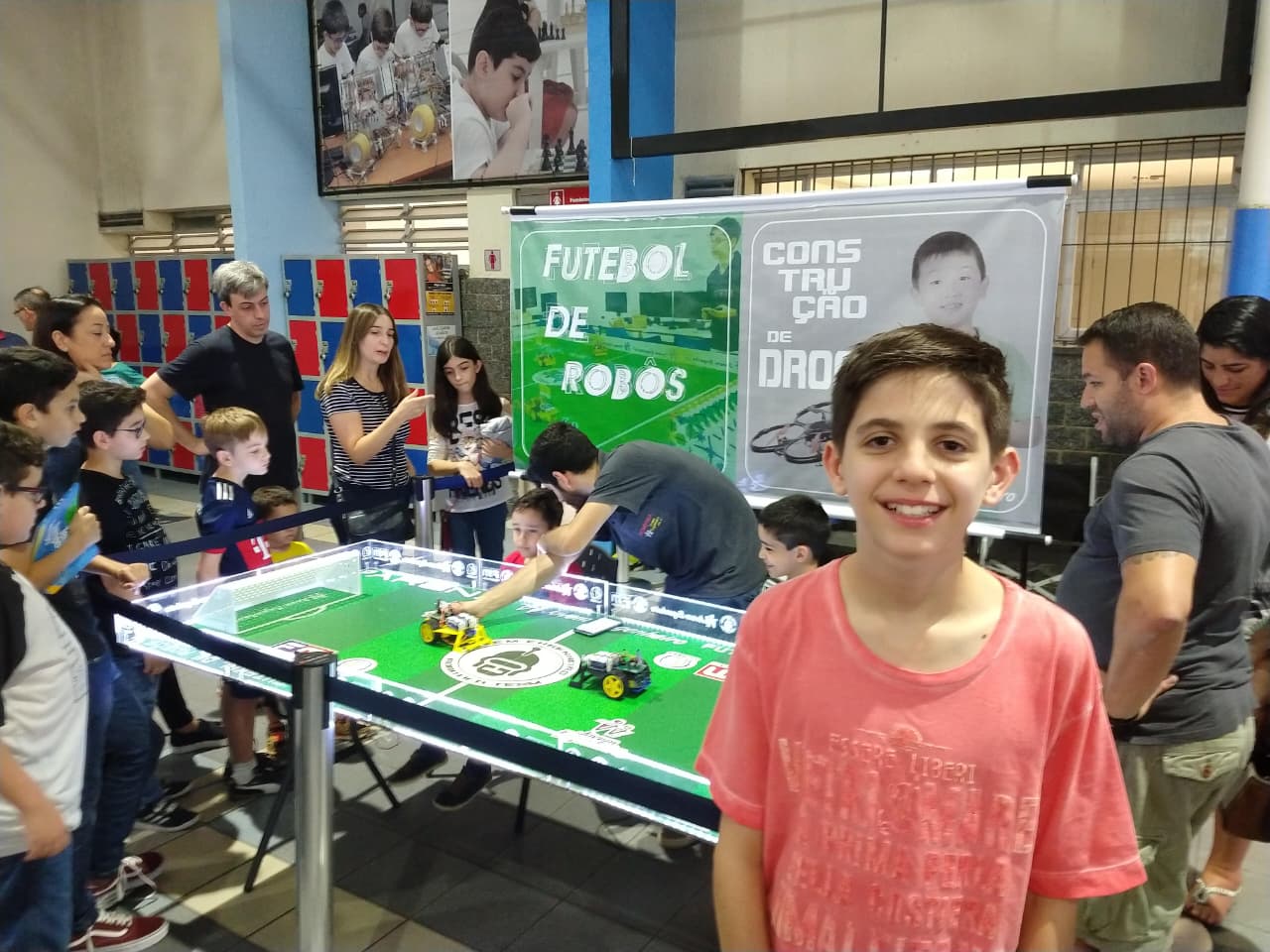


My first lessons in entrepreneurship: organizing people, communicating, and making business and technology work together.
Mainly ages 14 to 16
Brazilian, South American and São Paulo State champion.
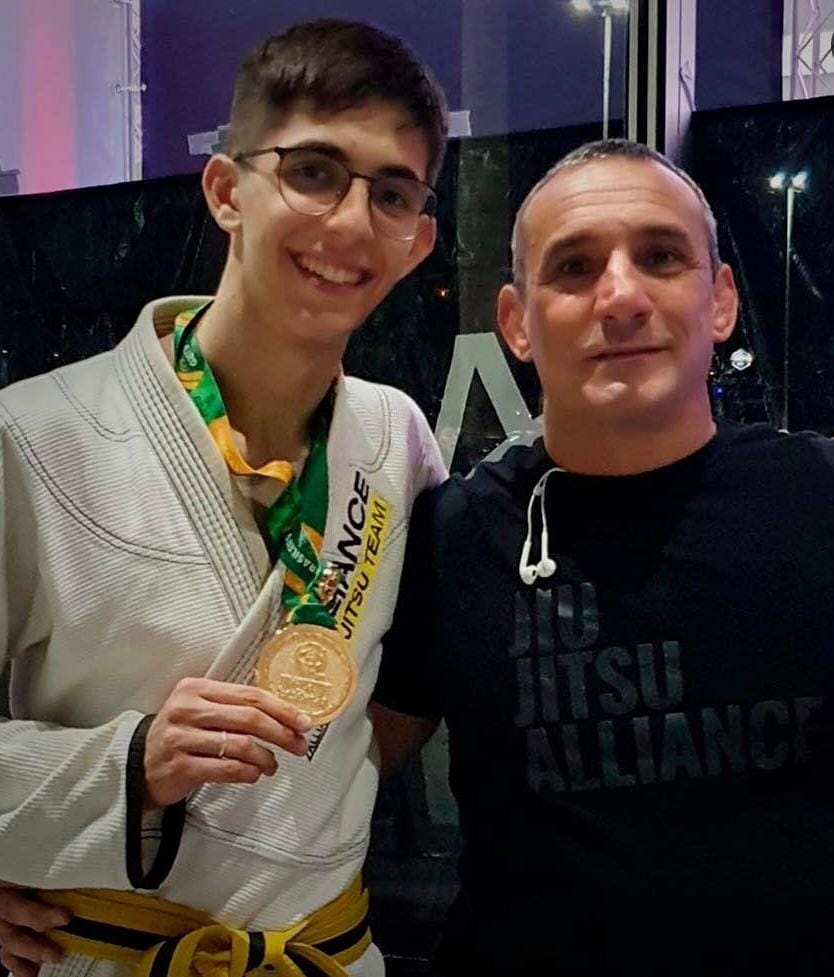
The goal was to reach the highest level I could. I came away with state, national and continental titles.

Then I stopped competing. The next chapter is why.
After the titles
Leaving the sport after the titles, to build bigger things.
I liked competing. I liked winning. But at some point I started asking what I actually wanted to do with my life, and the honest answer wasn't on the mat.
I wanted to put my energy into much bigger things, with real impact on a lot of people's lives: technologies, companies, solutions that change the world. That changed how I saw my purpose, not only my career.
There's a responsibility attached to what we're capable of. If I have the chance to build something big and good, not trying has a cost too.
I don't want just a comfortable life or a successful career. I want to find out what I'm capable of. So I left the sport and turned that energy toward studying, and later, toward building.
Until 2026
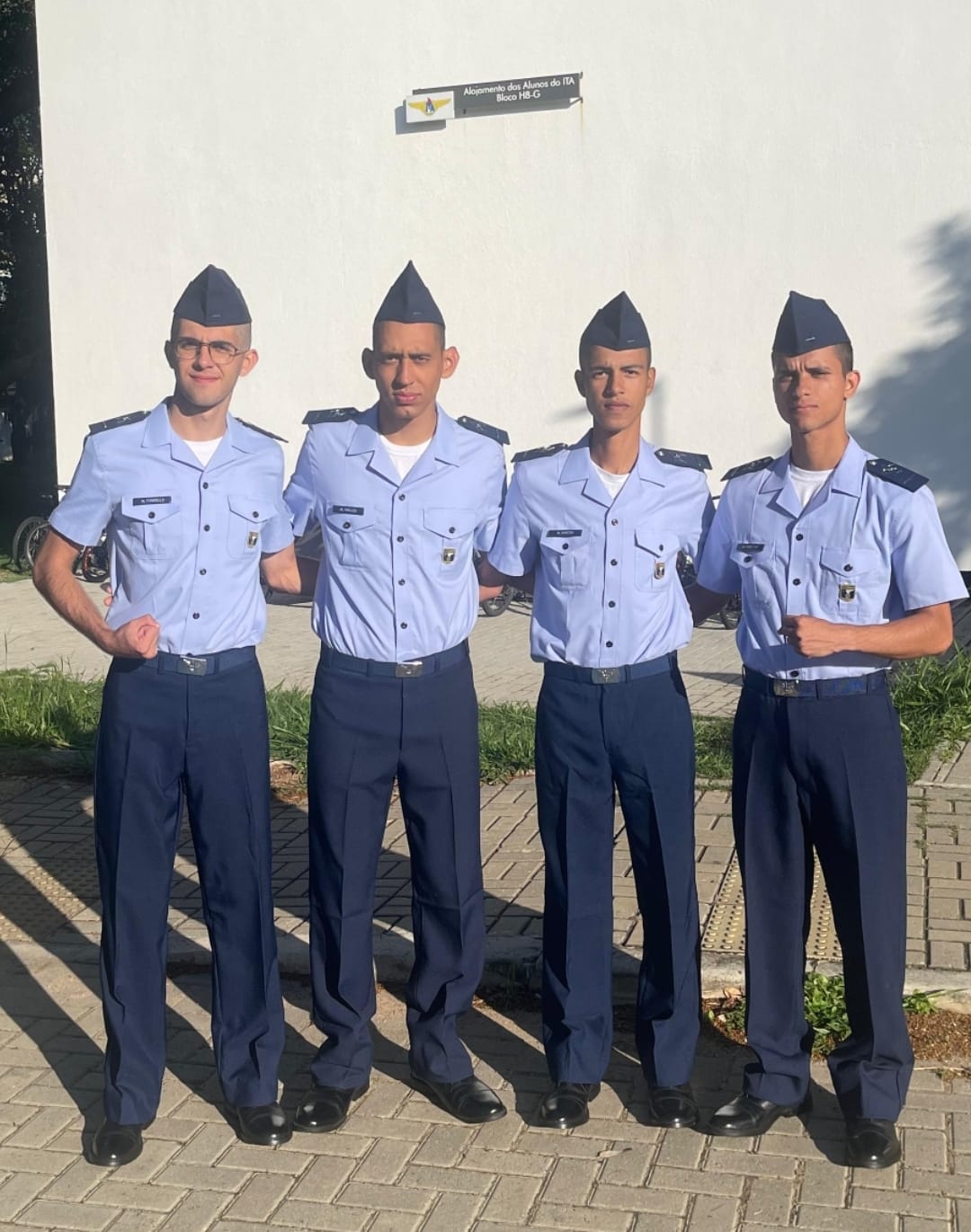
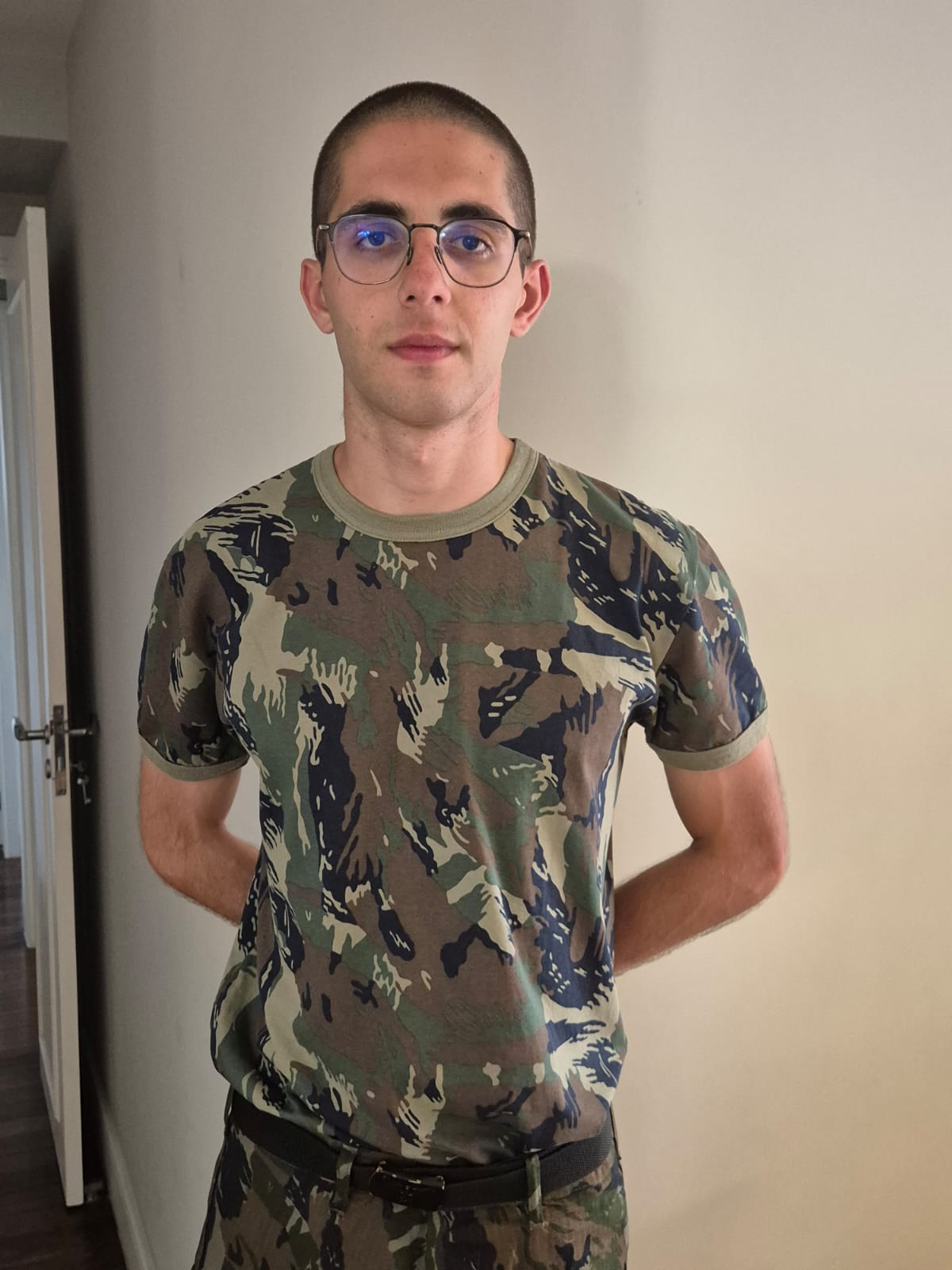
A move to Fortaleza on scholarship, then 1st place at IME and 8th at ITA, Brazil's two hardest engineering entrance exams.
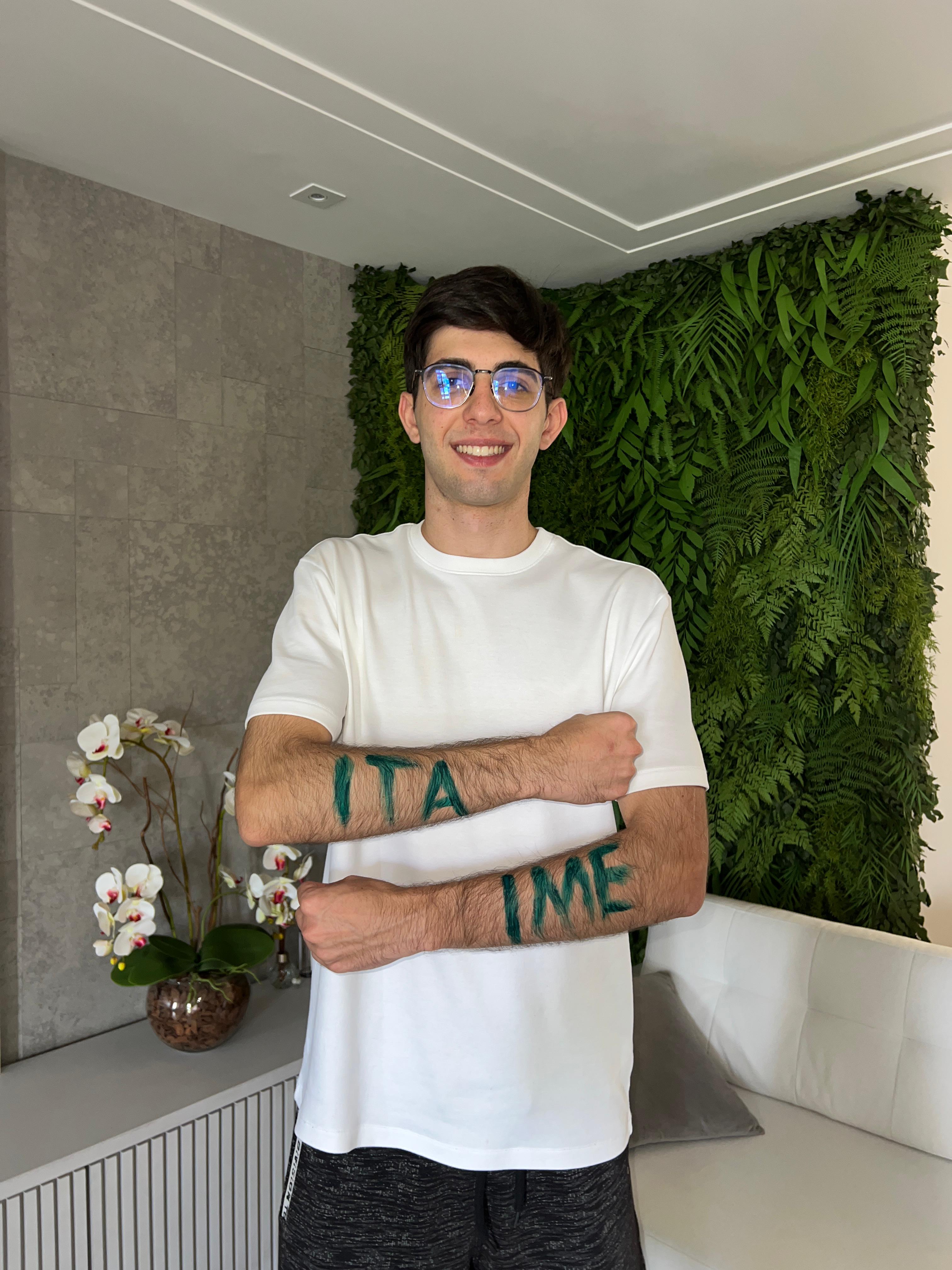
For readers outside Brazil: ITA and IME are the country's most selective engineering schools, run by the Air Force and the Army, and ITA is often called Brazil's MIT. Their entrance exams are widely seen as the hardest in Brazil: several days of written exams in math, physics, chemistry, English and Portuguese, after which each school admits a small class out of thousands of candidates.
After jiu-jitsu I went all in on math, physics and problem solving. I've always liked teaching myself and going back to first principles.
To speed things up, I left São Paulo for my last year of high school at Farias Brito, in Fortaleza, a school known for preparing students for the ITA and IME exams. I went on a scholarship that covered housing and meals. Then I joined Estratégia Militares, an exam-prep program, after placing first overall in its selection.
1st
IME
Instituto Militar de Engenharia
1st place
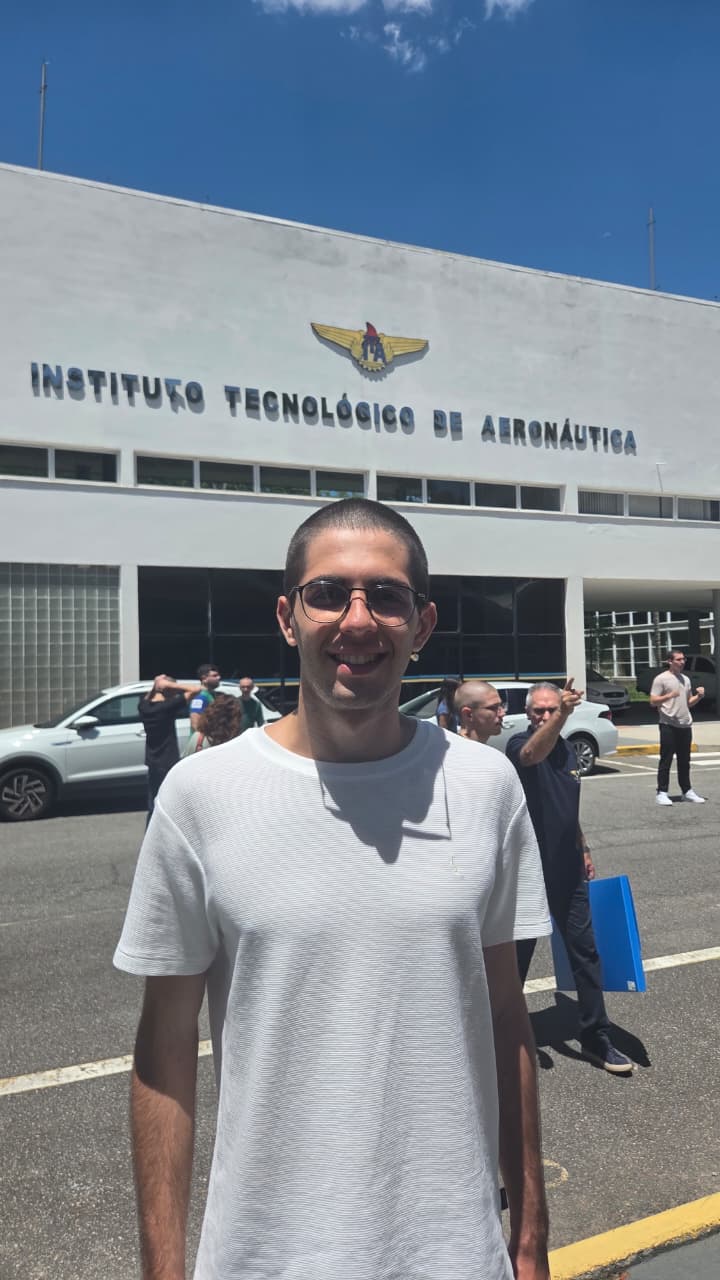
8th
ITA
Instituto Tecnológico de Aeronáutica
8th place, started in 2026
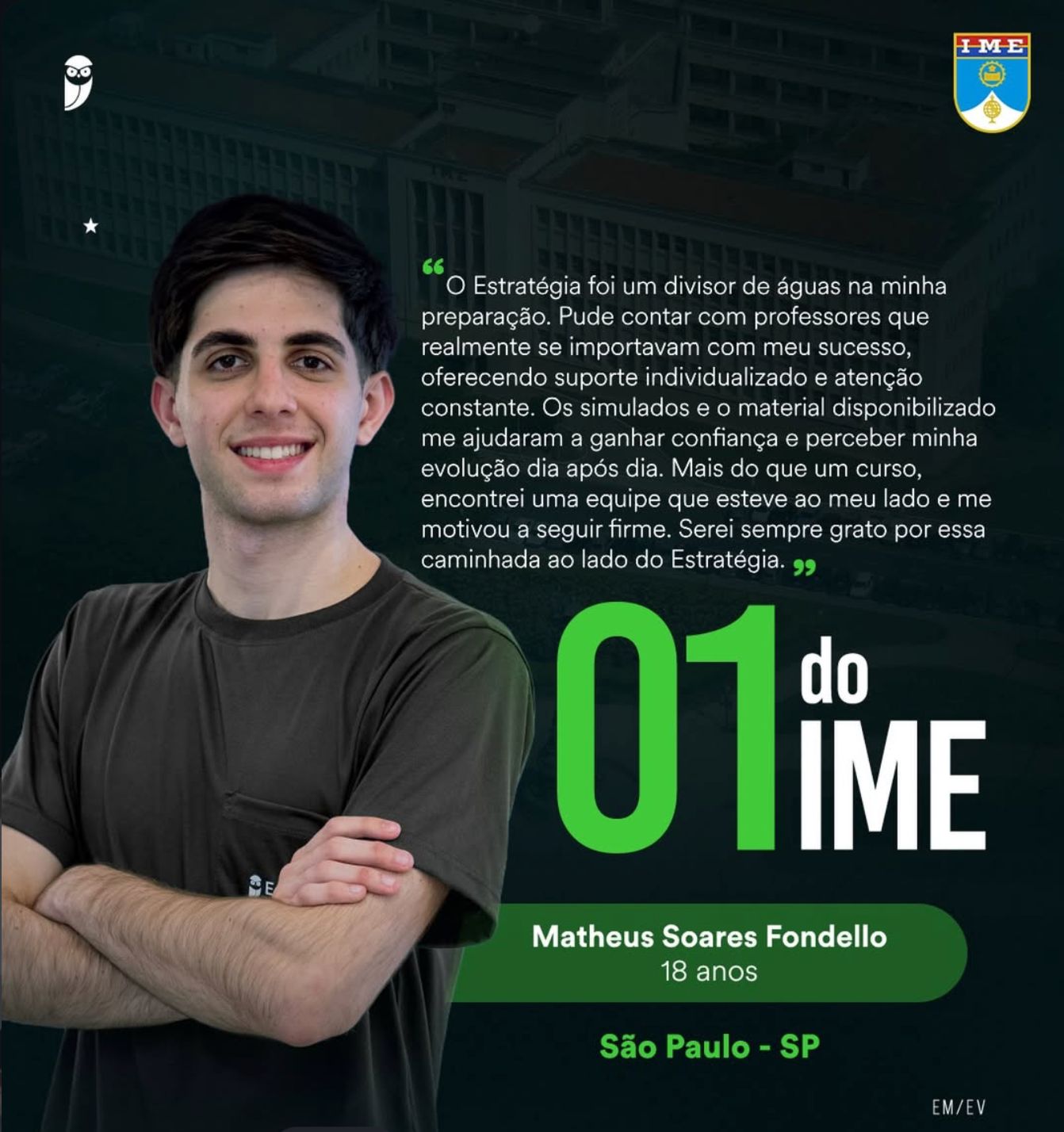
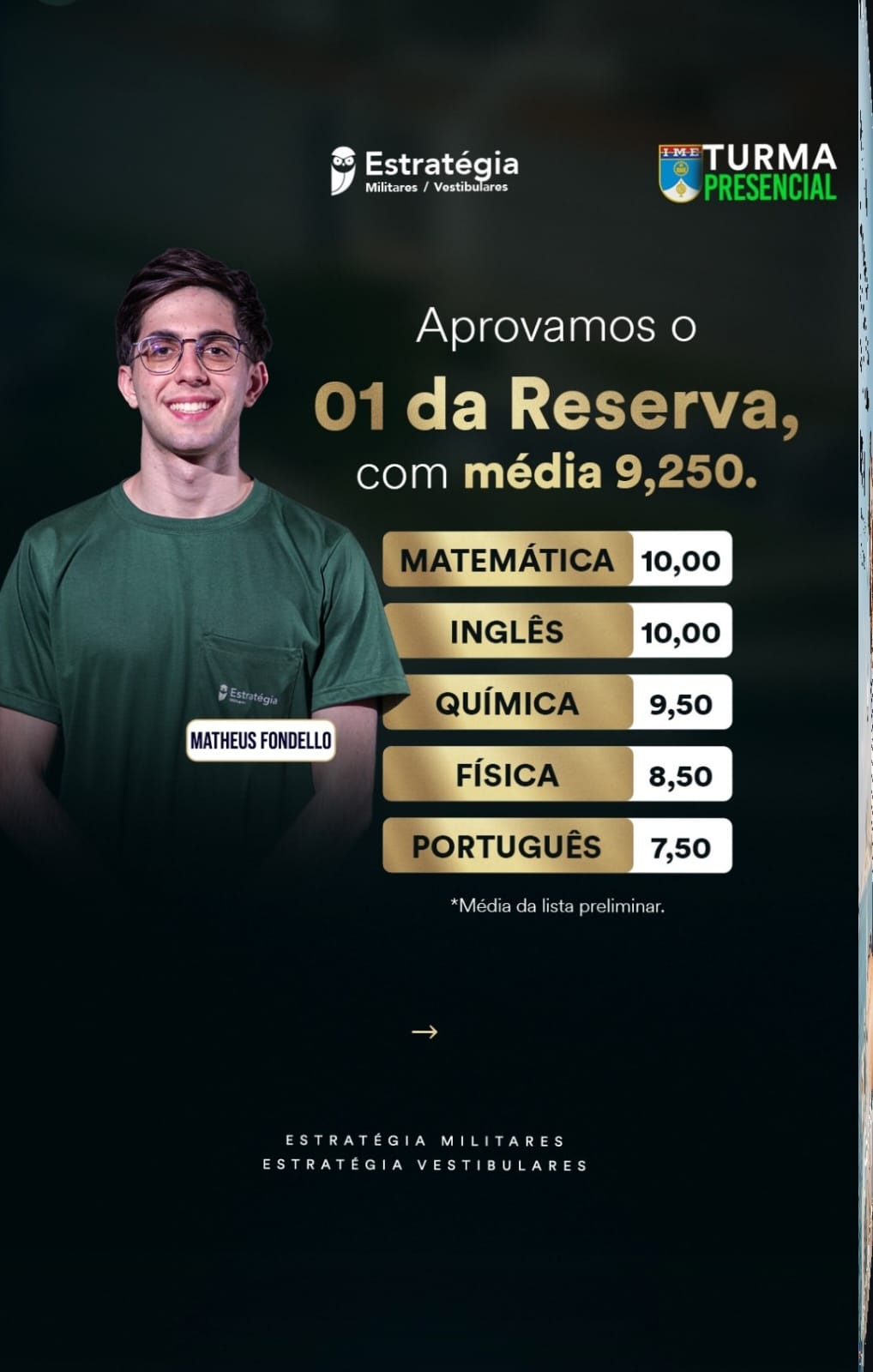
Preparing taught me intellectual discipline, autonomy, and how to learn hard things fast.
A diploma was never what drew me in. It was the chance to live among extraordinarily capable people, in a place that demands a lot intellectually. I always saw university as a possible means to bigger goals, never as an end in itself.
2026
A fintech for earned wage access, co-founded in my first months at ITA.
After I was admitted, I started studying programming, first C and Python, and exploring what AI makes possible. When I got to ITA in 2026, I started looking for something to build right away.
With two friends from Insper, a business and engineering school in São Paulo, I co-founded Pingo: a fintech for earned wage access, letting workers get part of the pay they've already earned before the usual payday.
We got in touch with experienced people from the tech and investment ecosystem, including investors and a professor connected to Stanford's MBA program.
I didn't go into Pingo planning to spend the next ten years on it. I wanted to experiment, learn fast, and run into the real problems of building a company instead of reading about them. It was my first startup, and I started it in my first months at university.
Explored
One of the tech projects I explored after Pingo: an app for organizing notes in multiple layers, for students.
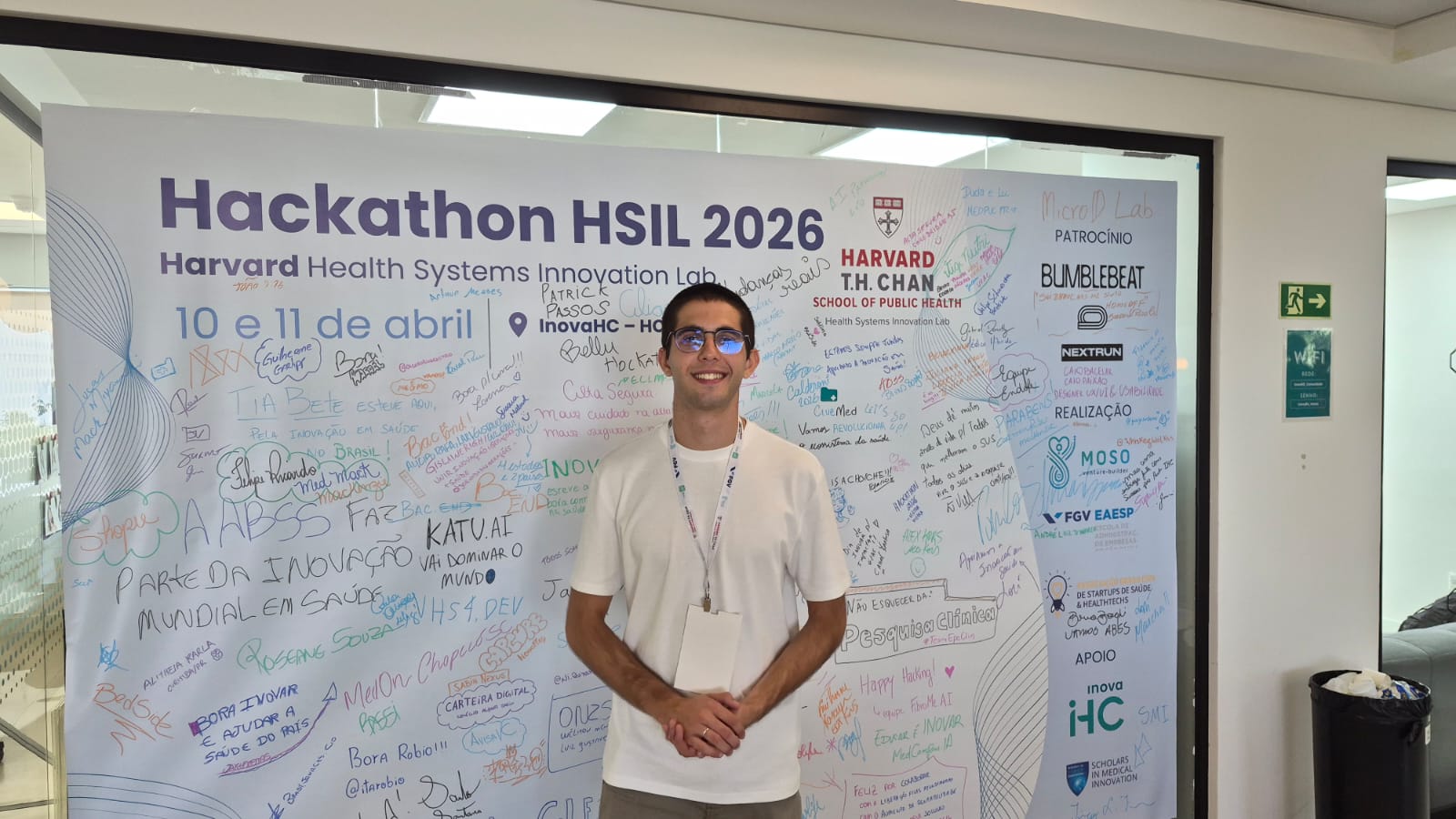
I also started getting closer to the startup ecosystem, at events like Web Summit.
Since 2026
Co-founded with Lucas dos Santos. Its core is Trilha 202, a free program that accelerates university students.
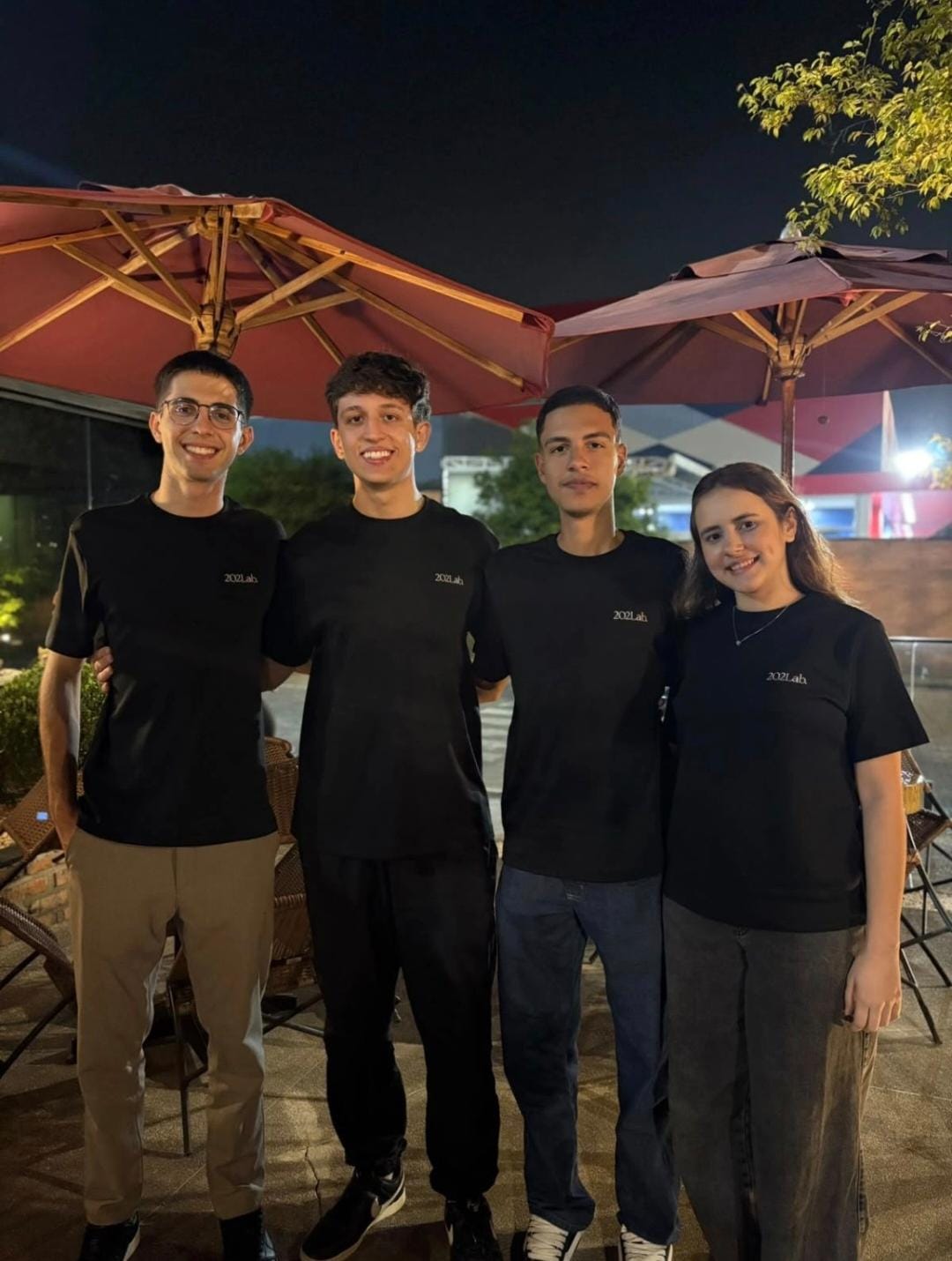
Many talented young people at Brazil's best universities are never exposed to the opportunities, references and tools that could accelerate them.
At the same time, AI is changing how we learn and build. Knowledge that used to take years to accumulate is more accessible every month, and someone with initiative can now take on projects that used to require far more experience.
202 exists to accelerate university talent: helping people gain skills, build things, and widen what they believe they're capable of.
Since July 2026
The program at the heart of 202.
Trilha 202 is a free program in applied AI, product development and entrepreneurship for university students, from schools like ITA and Unicamp.
“Trilha” means “trail” in Portuguese, and the program is built like one: lessons along the way and seven practical stops, each one a real project for a client, across a business track and an engineering track.
The lessons happen inside Claude, Anthropic's AI assistant. Each one is a conversation with an AI teacher set up by 202: it walks the student through the material one chat at a time, in Portuguese or English, asks where they're starting from, and saves their progress as they go.
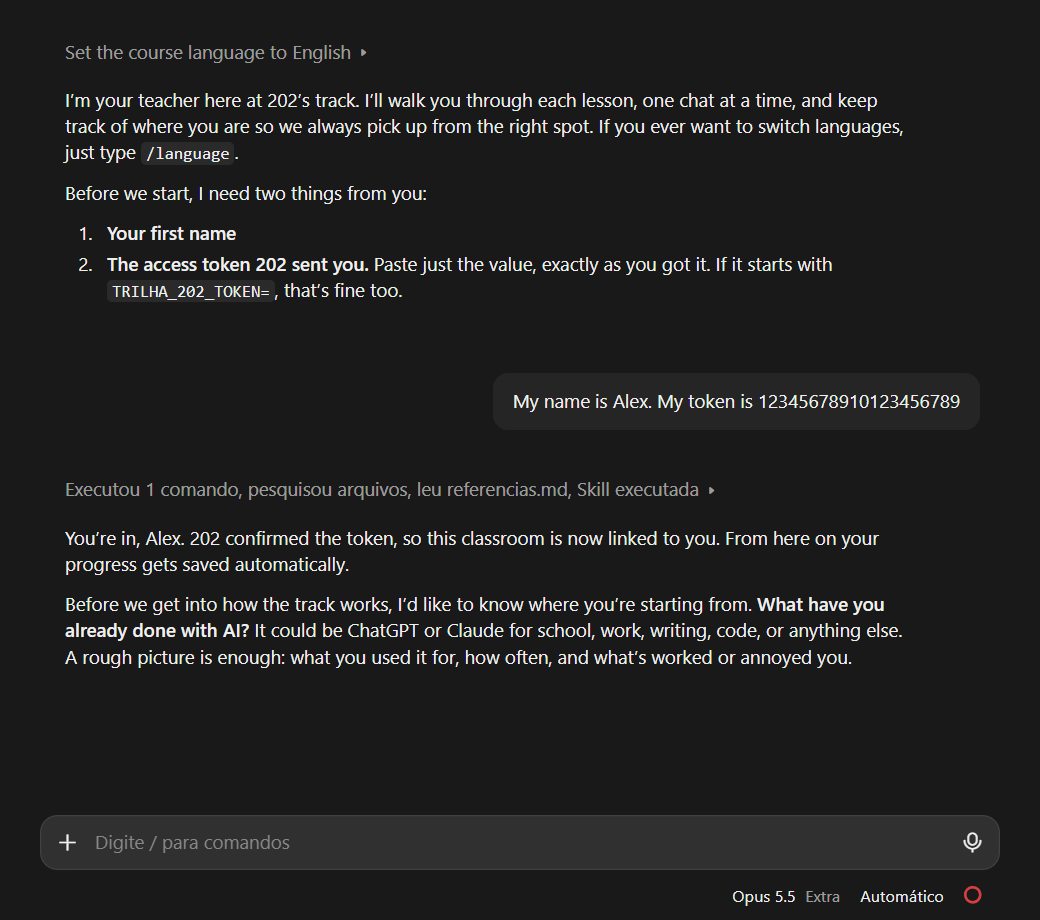
Beyond the technical content, we wanted students to see that they could learn complex technology, build real solutions and join ambitious projects early in their degrees.
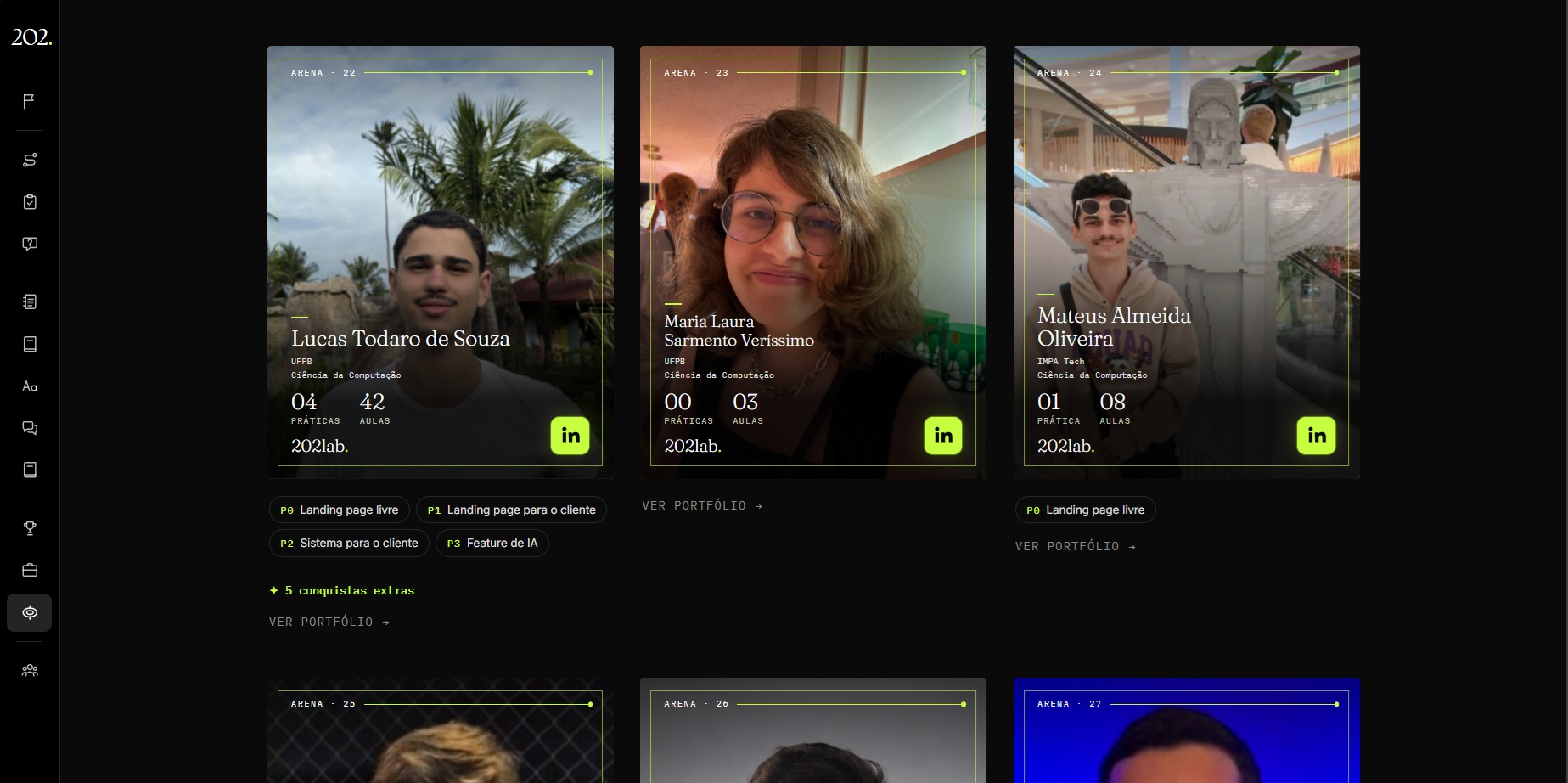
View-only demo account
Log in to the real Trilha 202 platform with a view-only account and see how we actually run the program.
Read-only access. Please don't change anything.
The Trilha 202 platform. “Trilha” means “trail”: the program is a road of lessons with seven stops, each one a real project for a client.
2026
The Trilha led to an in-person event at Inteli, a technology and leadership school in São Paulo: about 60 people, in partnership with Paggo and with support from Kaszek. It brought young talent closer to the people and opportunities of the startup ecosystem.
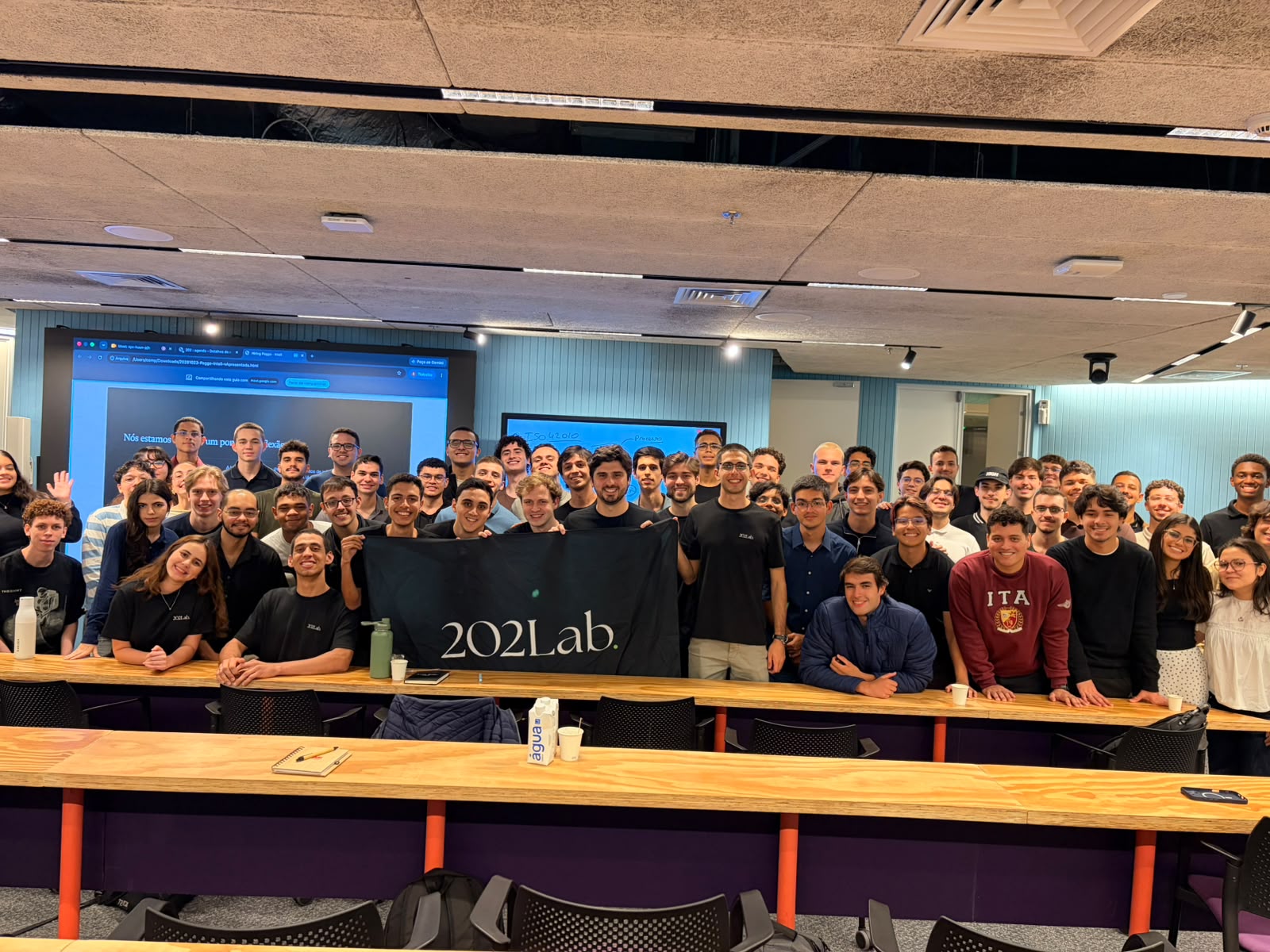
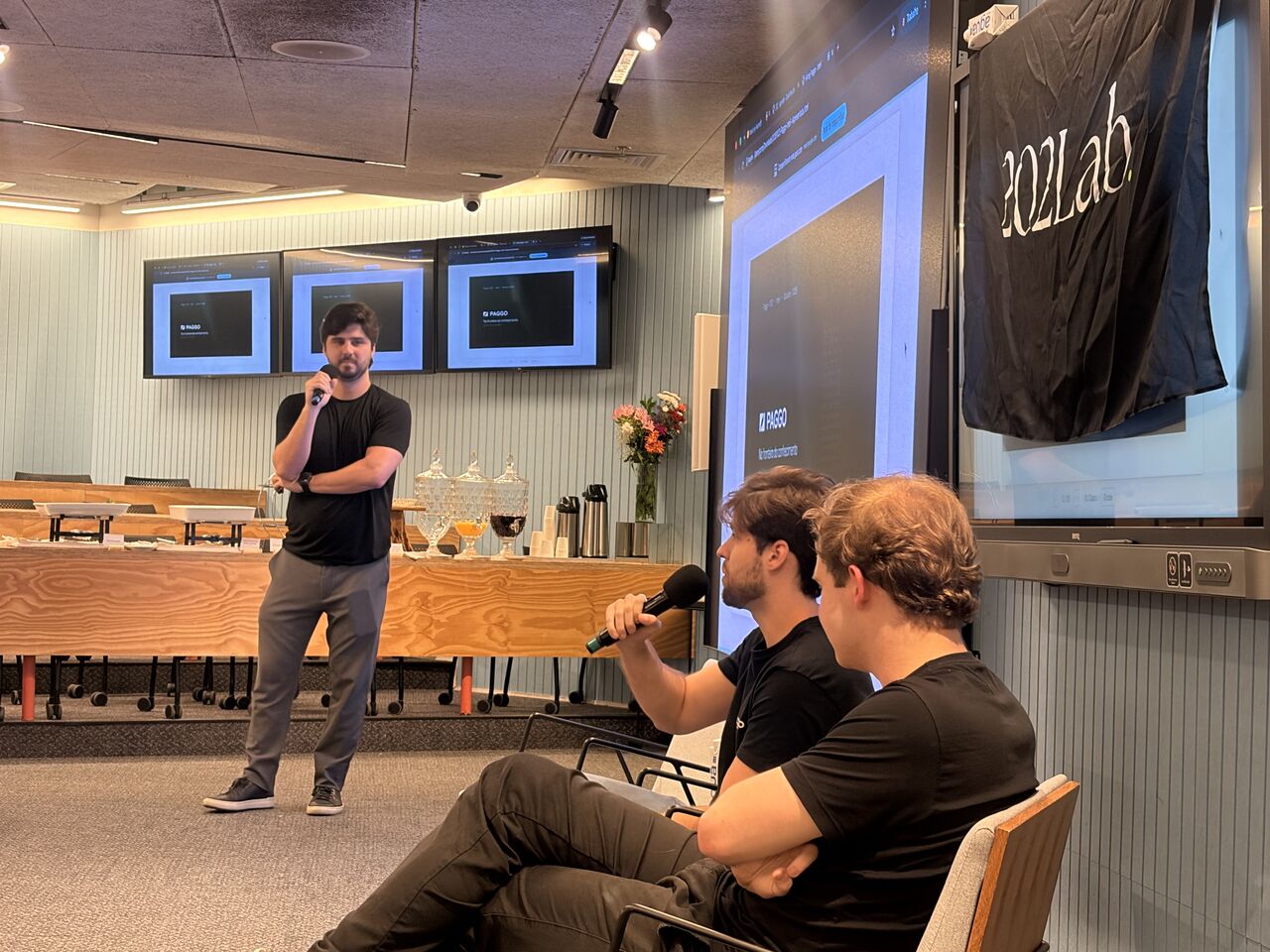
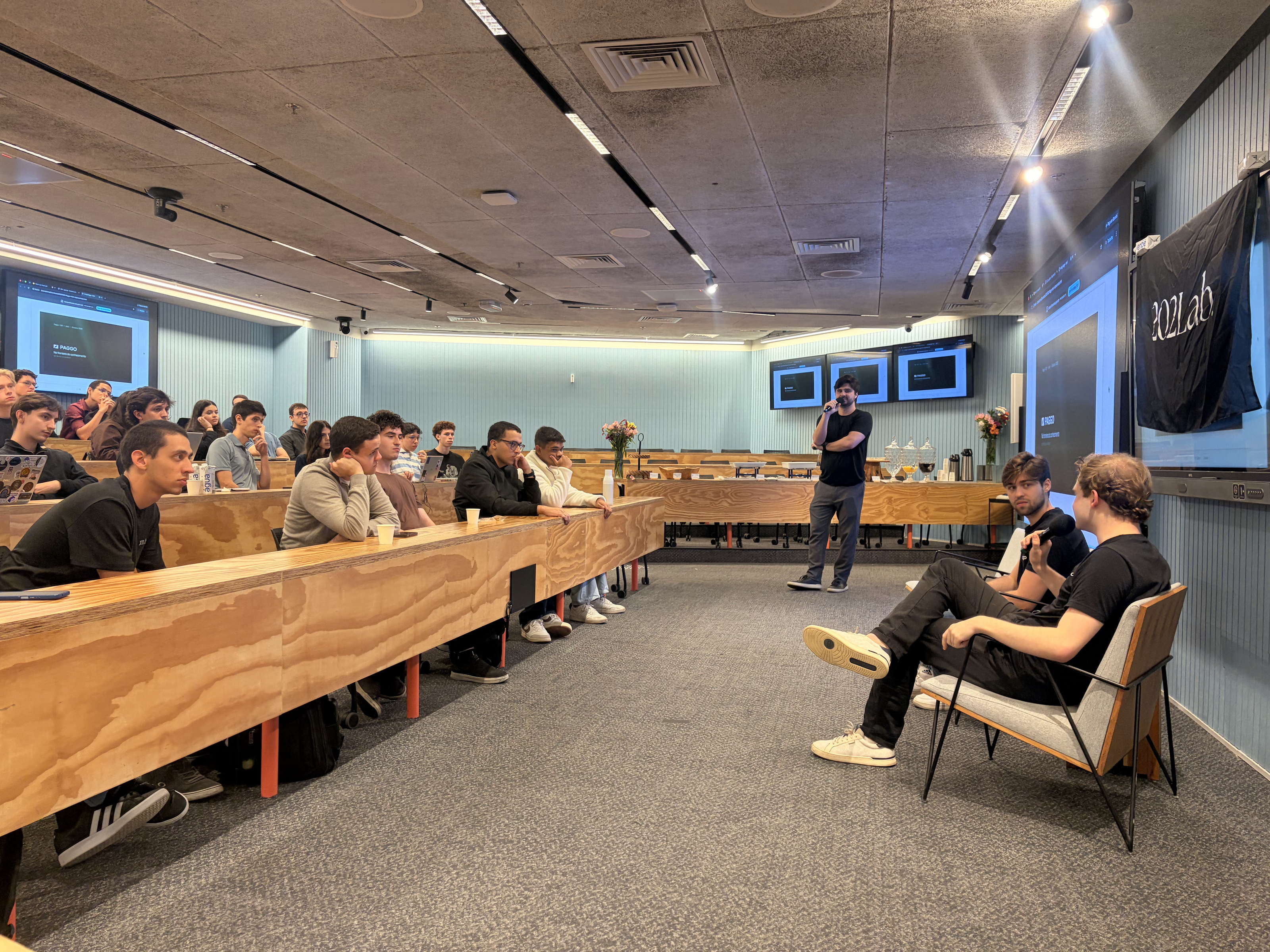
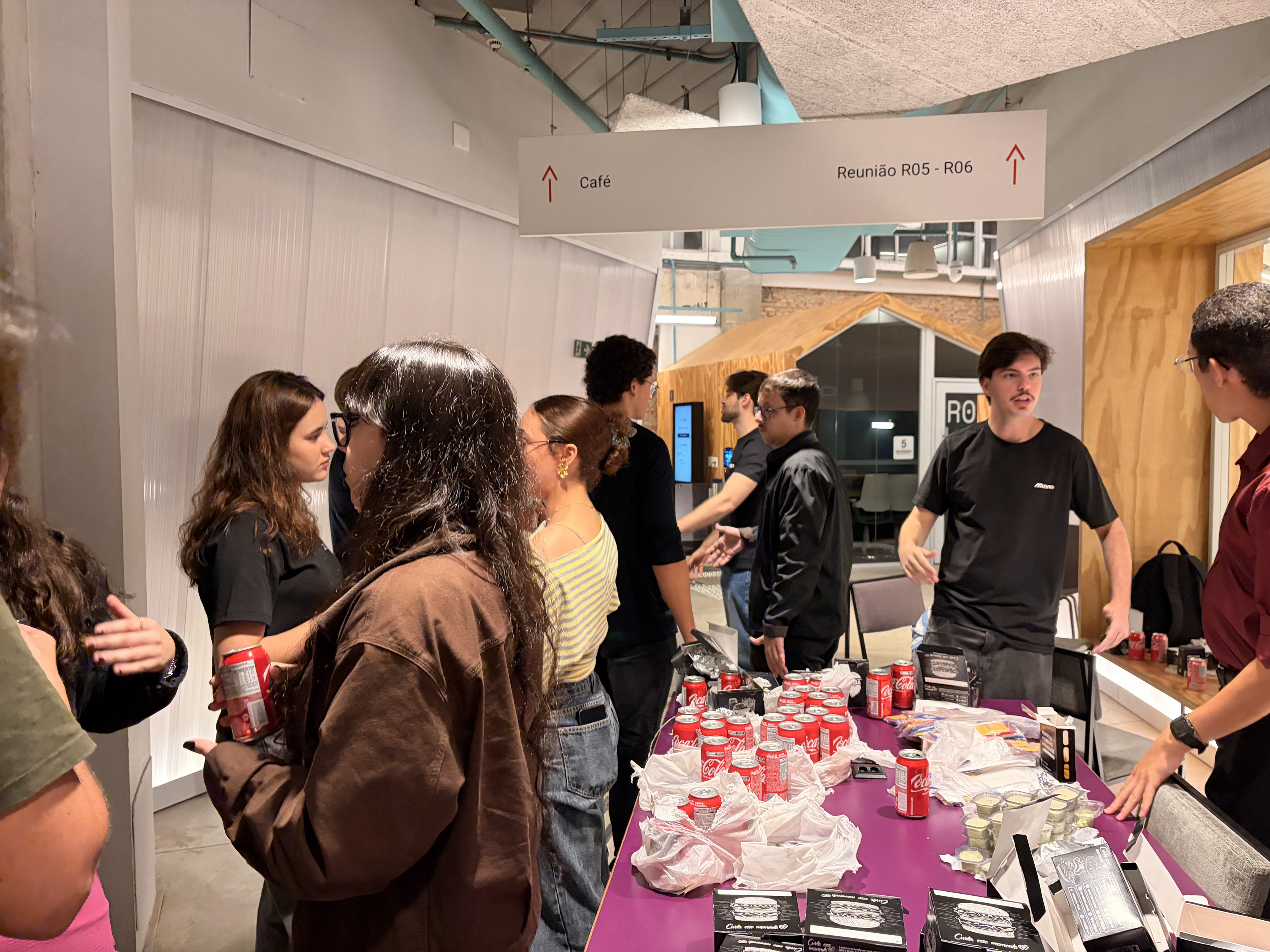
202 is also where I'm learning, hands-on, about leadership, building a team, creating products, culture and management.
Our ambition is an ecosystem for developing talent that connects universities, exceptional people and startups: education, community, bringing talent closer to companies, and possibly incubating new projects and startups.
I think expanding other people's potential is one of the most powerful ways to have an impact.
Since 2026
Investment team at one of Latin America's leading venture capital firms.
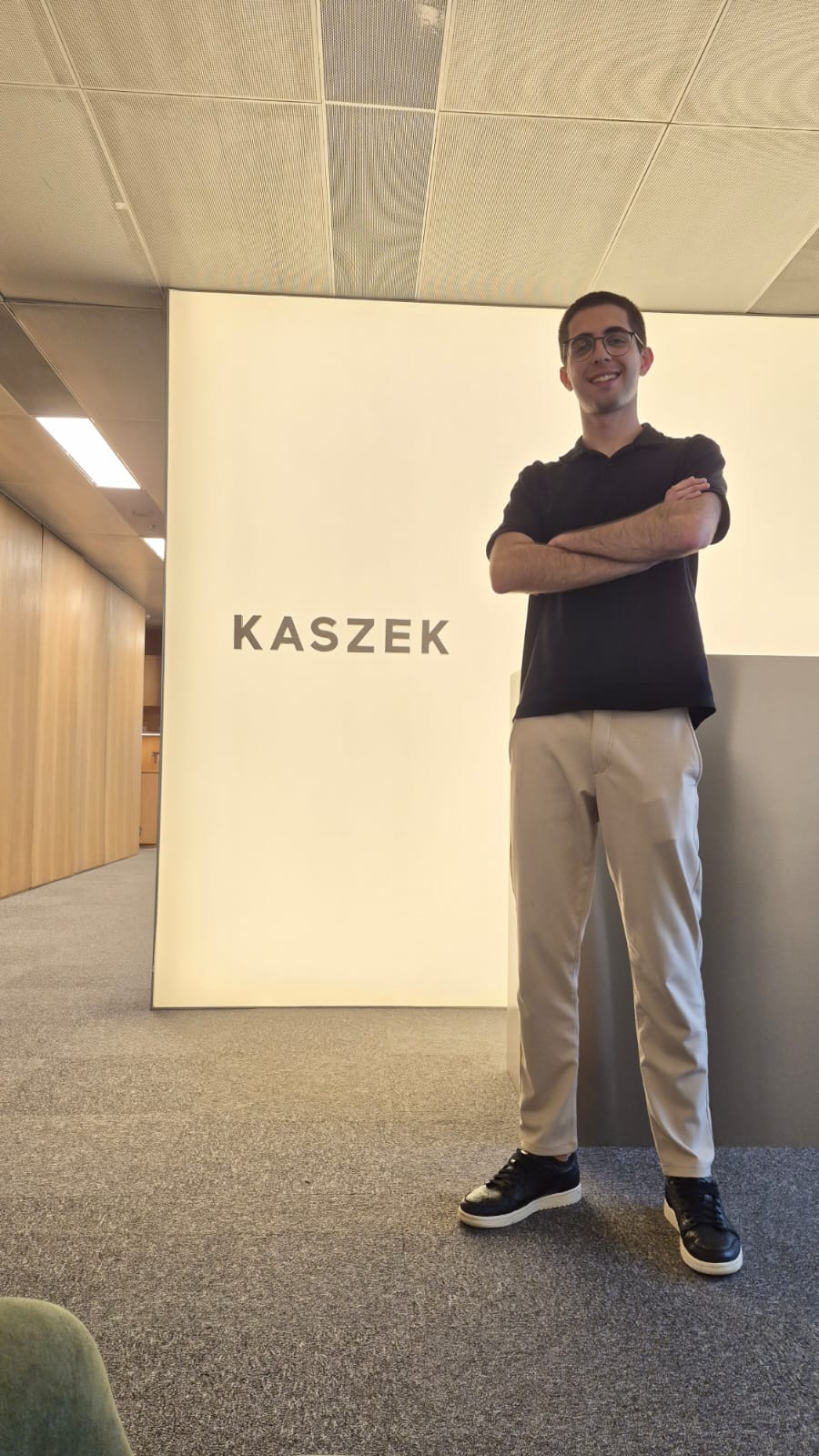
Kaszek is one of the leading venture capital firms in Latin America. There I study markets, try to understand business models, analyze startups, and get closer to founders and very experienced professionals.
It complements 202. At 202 I'm learning, in practice, the challenges of creating and leading something. At Kaszek I'm in a place that studies companies, markets and business opportunities.
Both serve the same long-term goal: becoming the founder of a technology company with real impact.
2026
Trading a prestigious path for a faster way to learn: building.
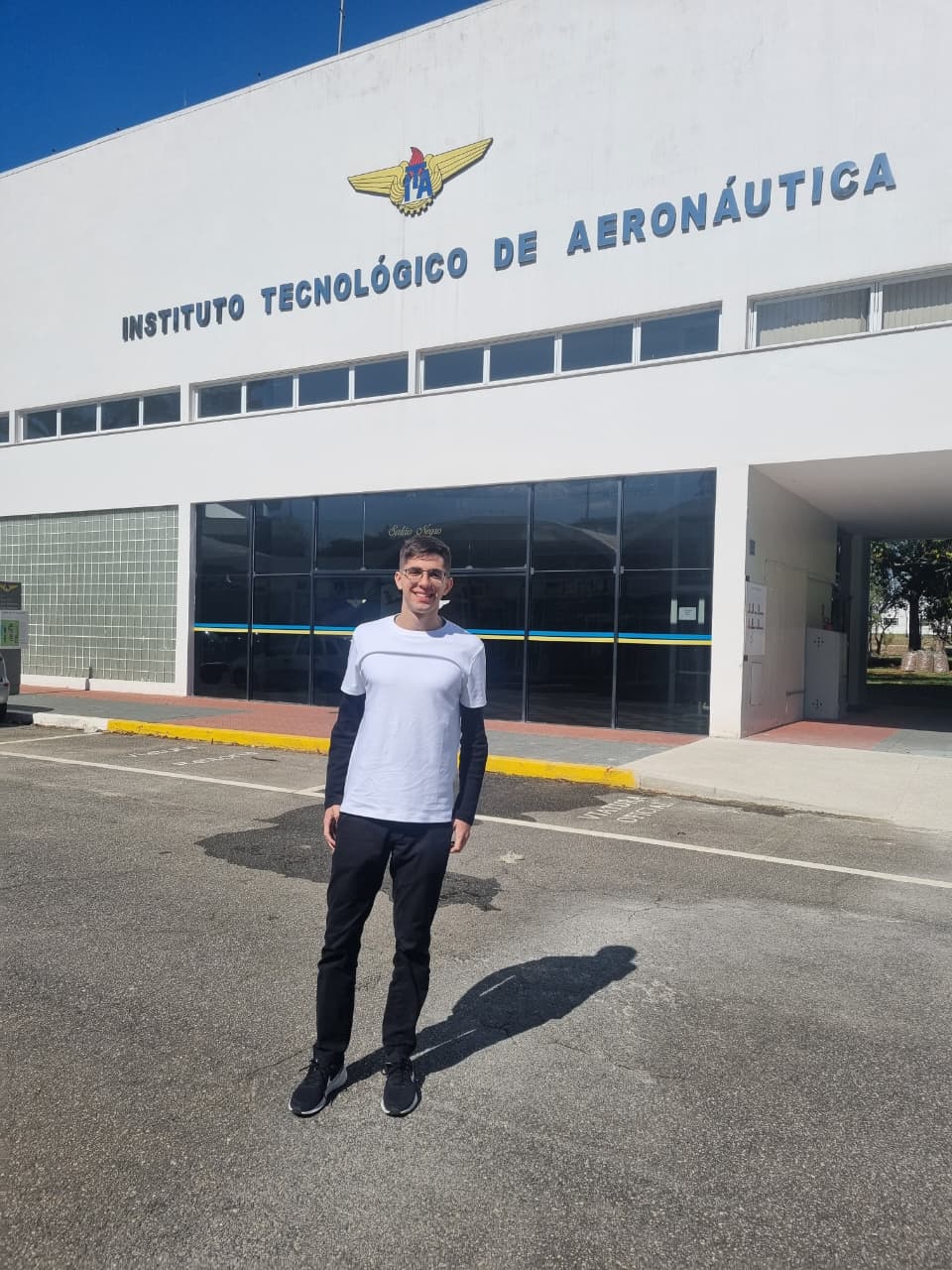
It wasn't about academic difficulty, or a lack of opportunities. I had worked hard to get in, and I value the school and the people I met there.
It came from thinking hard about education, about learning, and about what I wanted to do with the next years of my life. For someone with my goals and my way of learning, I don't think five years inside a rigid curriculum is necessarily the best path. I learn fastest when I'm building something real, next to people better than me, with concrete problems in front of me. With AI changing access to knowledge, I think that's truer every year.
I didn't leave ITA because I didn't value learning. I left because I wanted a more intense, more effective way to learn.
What I valued most at ITA was its people, its community and the opportunities the place created. I realized I could find experiences even more aligned with my goals outside a traditional university.
It meant giving up a highly prestigious path I had worked toward for years, for a less conventional one that I think is more coherent with what I want to build.
I don't think university is useless for everyone. I just don't think it's necessarily the best path for me.
A few ideas explain most of my decisions.
I'm not after stability, prestige or a comfortable career. I think about technologies that could help someone paraplegic walk again, or someone blind see again. That may not be what I work on, but it's the size of impact that moves me.
I like understanding how things work from the fundamentals, and learning by experimenting. AI is radically expanding how fast people can learn, and the distance between an idea and a working thing keeps shrinking. That makes curiosity, critical thinking, autonomy and execution matter more every year.
Fortaleza, ITA, 202, Kaszek: most of my decisions were about getting close to exceptional people and demanding environments. Being around extraordinary people changes what you think is possible, and I value that far more than credentials.
Knowing something in theory and using it to solve a real problem are very different things. I value fundamentals and depth, but learning gets powerful when it's tied to execution. Pingo and 202 are that.
I don't need to succeed at everything. But if I can do something good and meaningful, choosing not to try carries a moral weight. I'd rather try to build something that matters and fail than deliberately pick a smaller path because it's safer.
Next 3 to 5 years
I want to get really good at building products, leading people and understanding markets. Before founding, I want to learn intensely from people far ahead of me, in Brazil and abroad, especially in San Francisco and Silicon Valley. It's also why I'm applying to the Horowitz Andreessen Academy.
The plan
A thesis I'm exploring
It would combine infrastructure for schools and institutions with personalized AI tutors that understand each student's level, difficulties and way of learning. It's more than a study app: a layer that could widen access to high-level education.
Exploring, not launched
Long term
I want to build it with extraordinary people, around a mission worth a big part of my life. I'm not tied to one sector: what matters is a relevant problem where technology can create impact at scale. My idea of success also includes being present for my family and the people I love.
The ambition
How can we use technology to radically expand human potential?
One day I want to look back and know I really tried to do what I was capable of.
Everything on this page in one list, with my part in each: what I started on my own, what I won, what I co-founded, and what was team work.
15 items
